Does Jackfruit Aid Digestion?

Jackfruit, while closely related to breadfruit from the artocarpus genus of plants, does not have a lot in common with bread or grains. Neither does breadfruit for that matter. But despite one thing jackfruit does have up its elusive sleeve is it may aid us in our digestion!
A 2023 study examined the phenolic compounds in jackfruit and what they can do to the human body. Phenolic compounds can be anti-inflammatory, contain antioxidants, can kill harmful microorganisms, and reduce growth of tumor cells. After analysis of antioxidant content, testing jackfruit content in a solution, and even testing ion content on a molecular level, jackfruit was shown to have higher phenol content after being digested. Digestion of jackfruit can lead to changes in pH values and digestive enzymes which increases phenolic compounds. These phenolic compounds included flavonoids, hydroxybenzoic acids, and hydroxycinnamic acids, all which promote health.
Flavonoids can reduce oxidative stress, regulate cell activity, reduce cardiovascular risk, improve cognitive abilities, reduce inflammation, and reduce risk of tumor cellular growth. Hydroxybenzoic acid can reduce oxidative stress, reduce inflammation, kill harmful microorganisms, and promote beneficial microbial activity in the gut. Hydroxycinnamic acid may prevent osteoporosis, promote pain relief, and aid in diabetes management.
Jackfruit has also shown positive correlations with aiding the small intestine by preventing inflammation and reducing symptoms of abdominal pain, diarrhea, and fever. In 2024 a study concluded that consumption of jackfruit reduced small intestinal tissue damage via decreasing effects of cytokines and increasing mechanisms of interleukin-10. Jackfruit consumption also reduced oxidative stress via increasing antioxidant enzymes and reducing concentrations of malondialdehyde in the small intestine. Jackfruit may also restore any structural damage of the small intestine by increasing short-chain fatty acids and regulating expressions of proteins like occludin. The study concluded that jackfruit overall prevents small intestine damage by reducing symptoms of inflammation and oxidative stress, leading to restoring the mechanical barrier of the small intestine which aids in protection against harmful substances.
This has led to speculation on what jackfruit can provide concerning preventatives against colorectal cancer. In 2025, a study with mice concluded that a lectin extracted from jackfruit seeds may suppress development of colitis-associated cancer, a type of colon cancer that can occur in individuals with chronic inflammatory bowel disease. Mice were given daily treatment of lectin for 1 week and treatment of lectin for 3 days out of the week for 11 consecutive weeks. Mice eating jackfruit seeds had reduced inflammation and reduced volumes in present tumors compared to the control group. There was also a reduction in tumor cell growth compared to the control group. More studies need to be followed up concerning efficacy of jackfruit seeds serving as a preventative against tumor cell growth in the colon, but the findings are promising.
Jackfruit has been so advantageous to the gut that some have even began incorporating it into cookies! In fact, jackfruit rind powder replacing wheat flour served to be a great substitute where jackfruit rind powder could be added in 5.5 times greater than cookies relying solely on wheat. This can result in 40% of cookie content being dietary fiber and antioxidant content such as phenolic compounds, flavonoids and carotenoids. Talk about having your cake and eating it too!
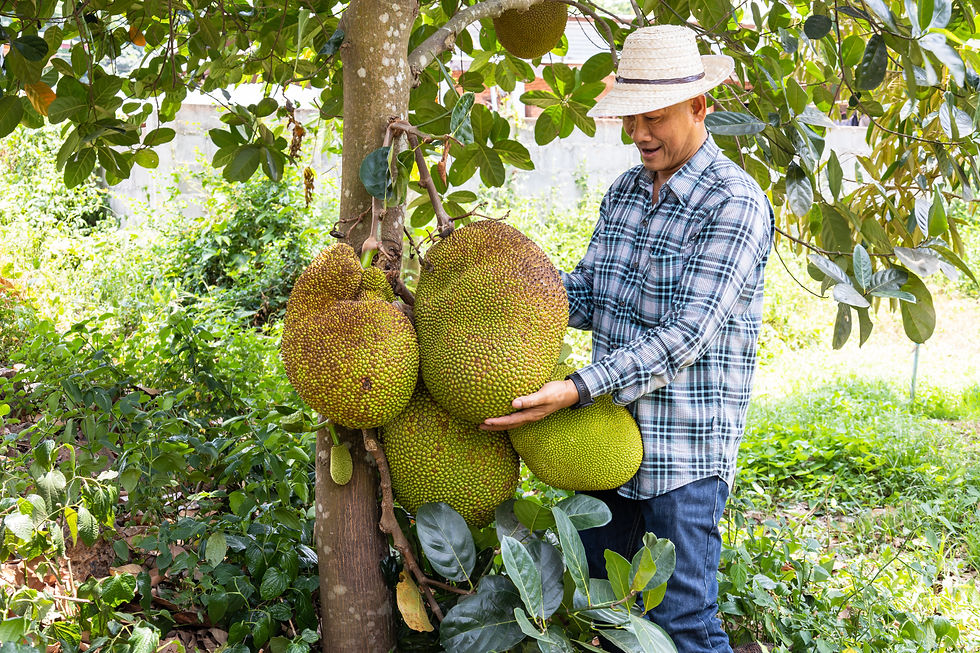
Now you too can harvest this ginormous fruit to make healthy pastries!


Comments